The patron saint of Ireland, Patrick was a Christian Romanized Briton who was captured by Irish pagan slavers in his youth. He spent six years in slavery before escaping with the assistance of an angel, who one night told him to get up and walk to the seashore. He was able to do so unmolested, and there he found a ship whose crew agreed to allow him to travel with them.
Some time afterward, he received a dream in which the people of Ireland were begging him to come back to them as a missionary, which he did, later becoming a bishop.
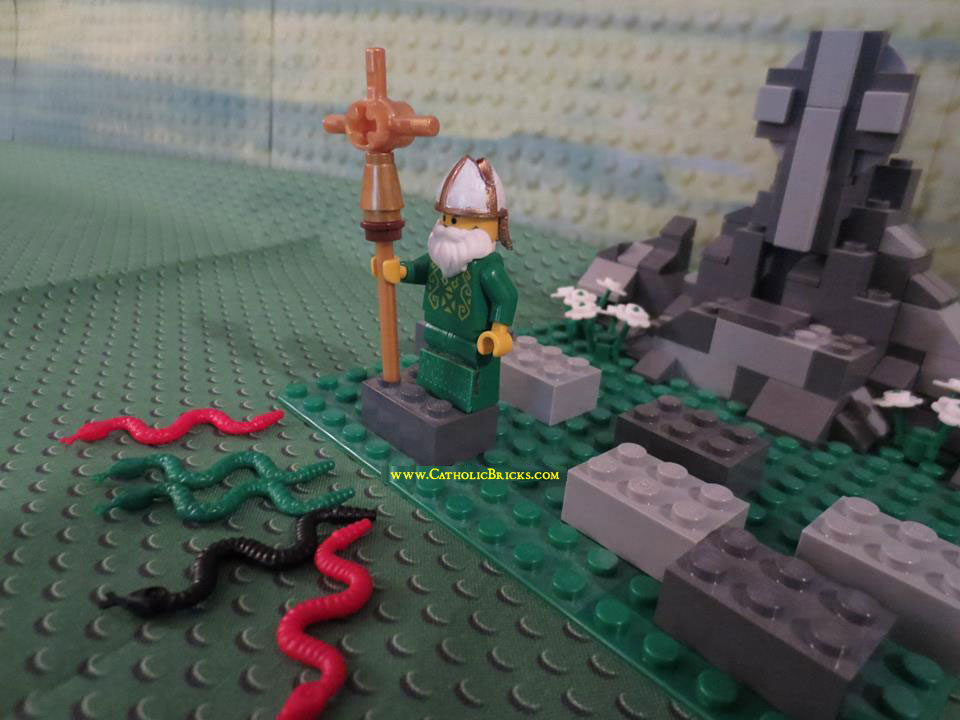
Perhaps one of the most famous saints, Patrick has many stories and legends attached to him, including using the shamrock to teach about the Trinity, chasing the snakes out of Ireland, and a vision of Hell.
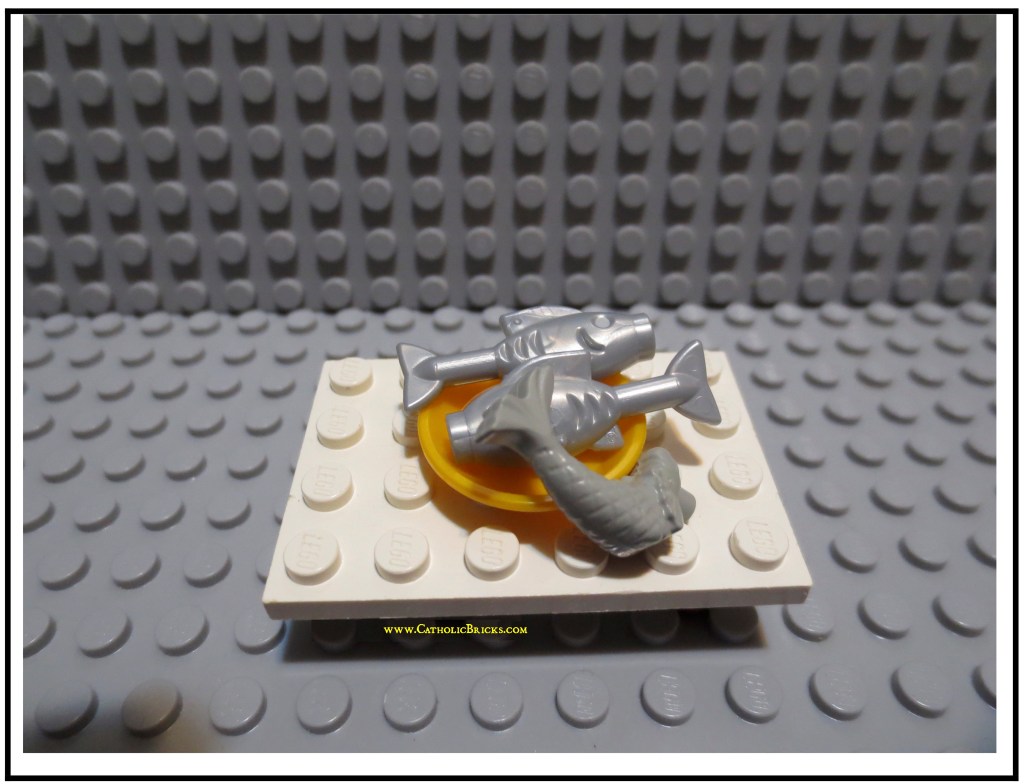
While all of Lent is devoted to repentance, penance, and meditations on Jesus’s death, the Fridays in Lent especially are occasions for bringing to mind the sacrifice of Good Friday. Consequently, fasting is appropriate…but why fish?
It may seem odd to our modern sensibilities, which classify fish as animals, to eat fish on “meatless” days. To understand the reason behind this ancient Christian tradition requires recognizing that the practice long predates the English language, and that “carnis,” usually translated as “meat,” applied only to the flesh of land animals and birds.
Meat, in ancient times, was a luxury, while fish was food for the poor and common people. One might feast by killing the fatted calf, but one wouldn’t feast with fish. Consequently, fish became associated with the penitential meals on the somber days of Lent.
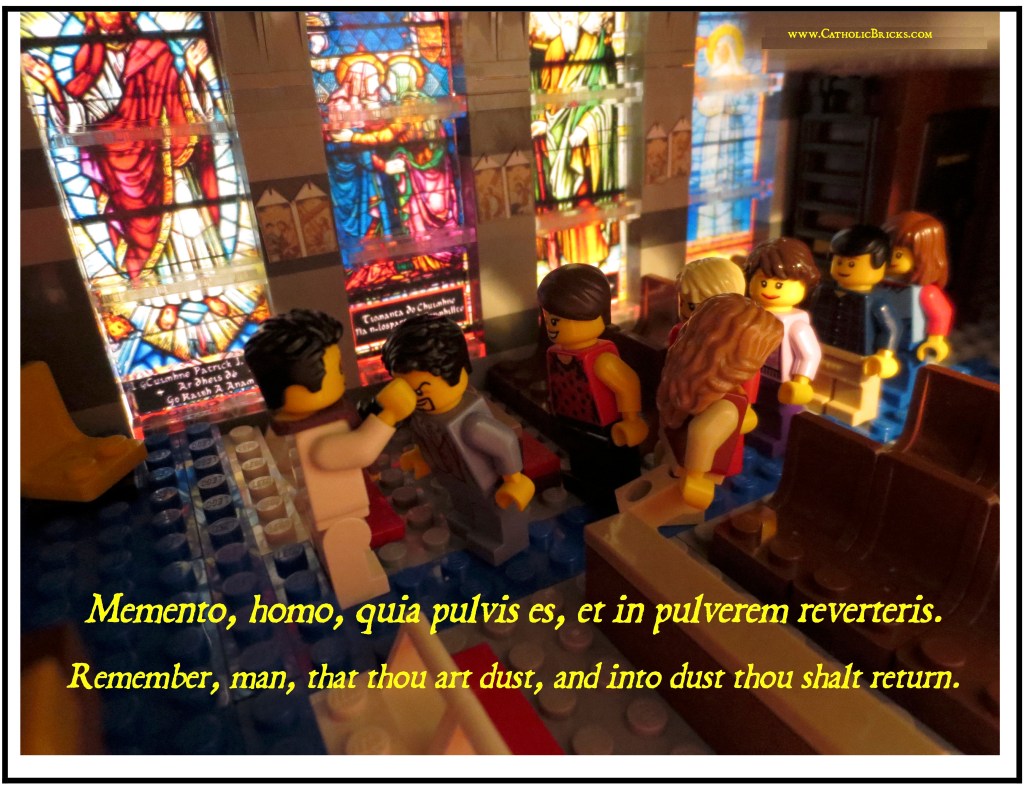
Memento, homo, quia pulvis es, et in pulverem reverteris.(Remember, man, that thou art dust, and into dust thou shalt return.)
Ash Wednesday is an ancient Christian practice of marking the first day of Lent by marking one’s forehead with ashes. These ashes, made from the palms of last year’s Palm Sunday, serves a multi-fold purpose:
1 – it echoes the ancient Jewish tradition of putting ashes or dust on one’s head and wearing sackcloth to express grief or penitence 2 – it serves as a reminder to the wearer of his own sinfulness and need for a Savior 3 – it is an outward expression of one’s sorrow for one’s sins and desire to repent 4 – it reminds us of our own mortality and, by doing so, the passing and inconsequential nature of the things of this world and the permanence and value of the things of the next
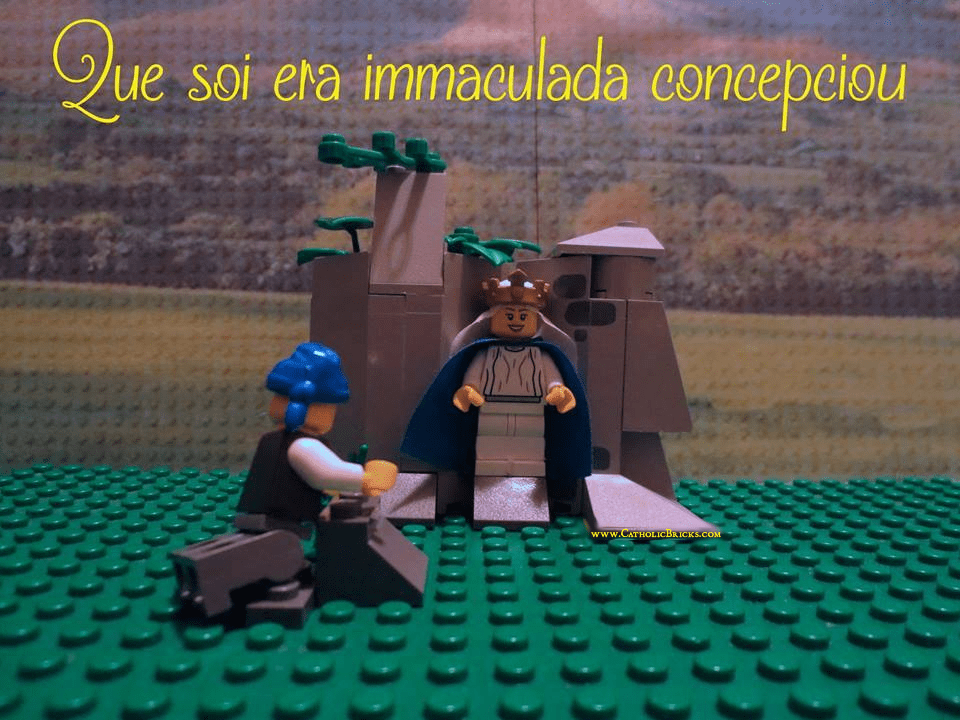
A series of Marian apparitions to a peasant girl (now saint) named Bernadette Soubirous on this day in 1858. The site of these apparitions has now seen 67 miraculous healings confirmed by the secular board of medical doctors tasked with finding any medical explanation for claims made.
It also led to the Pope defining the Immaculate Conception as dogma (but not creating it, indeed there is written documentation for the Christian belief in the Immaculate Conception going all the way back to St. Ambrose in AD 340 and possibly before, and, of course, loads of implications of it in scripture itself).
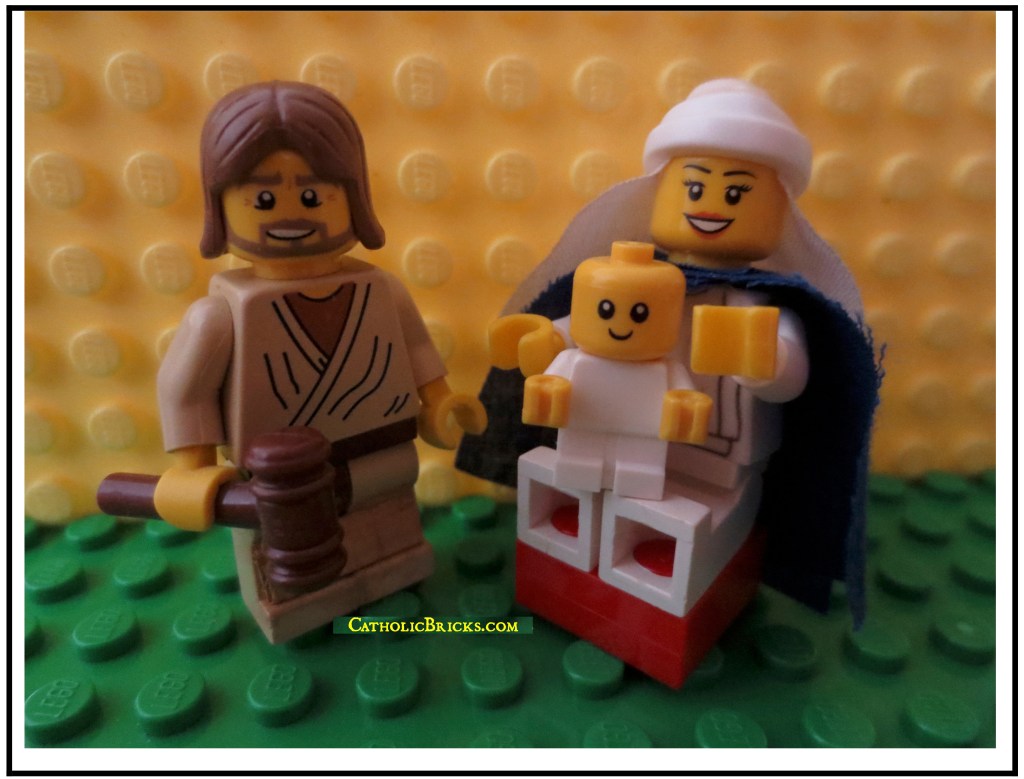
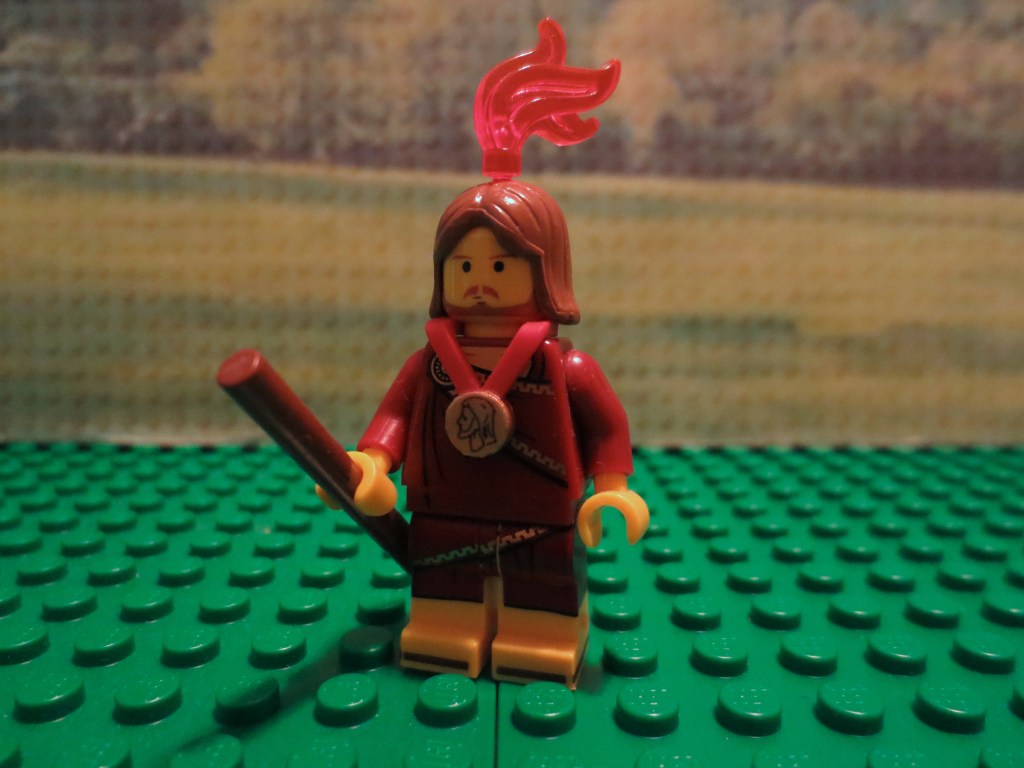
St. Jude, also known as Judas Thaddeus, was one of the Twelve Apostles. St. Jude is frequently depicted with a flame above his head, as he was present at Pentecost. He is also depicted with a club or rod (a symbol of his martyrdom) and a medallion-like image of Jesus.
Legend has it that in the early days of Christianity, few people would pray for St. Jude’s intercession, for fear that they might be thought to be praying to Judas Iscariot, the betrayer of Jesus. For this reason, St. Jude became a popular saint to beseech for intercession for hopeless and impossible cases (as it was assumed he was not already being asked for intercessory prayer by many of the faithful). Naturally, this has made St. Jude one of the most popular saints and, it is to be assumed, one of heaven’s busiest intercessors.
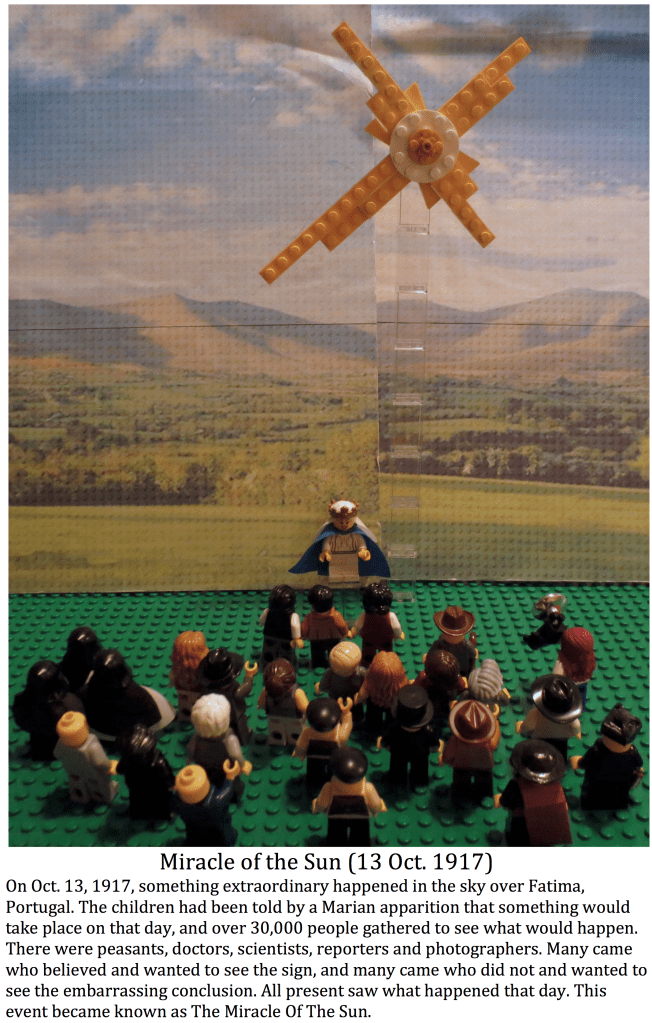
On Oct. 13, 1917, something extraordinary happened in the sky over Fatima, Portugal. The children had been told by a Marian apparition that something would take place on that day, and over 30k people gathered to see what would happen. There were peasants, doctors, scientists, reporters and photographers. Many came who believed and wanted to see the sign, and many came who did not and wanted to see the embarrassing conclusion. All present saw what happened that day. This event became known as The Miracle Of The Sun: https://www.youtube.com/watch?v=rBIs8cuIwTo
Paul Glynn recounts the following in his book, Healing Fire of Christ: Reflections on Modern Miracles — Knock, Lourdes, Fatima:
One youth, who was to become Father Ignatius Pererira, sat in a village school about six miles away from Fatima. His teacher rushed out of the their classroom, followed by the pupils, when a roar went up from villagers outside the school. They stood transfixed, gaping at the antics of the sun, and most became terrified when it zigzagged and came plummeting down. He remembered one unbeliever who had earlier been jeering at the people going off to Fatima. He wrote, “Now he stood there as if paralyzed, stunned, staring at the heavens. I then saw him shake from head to foot, raise his hands to heaven and fall on his knees in the mud cry ing, ‘Holy Vrigin, Holy Virgin’.” This testimony appeared in Professor G. da Forseca’s 1943 book about Fatima
Joaquim Lourenco, who later became a priest and a canon lawyer in the diocese of Leiria, was a pupil at the same school He witnessed the sun spectacle with Pereira, their teacher and the whole school. He and Pereira are featured in John Haffert’s book Meet the Witnesses, two of the two hundred witnesses personally interviewed by Haffert in the course of his research. (213)
One retorted that it was obviously a case of crowd hysteria and mass hallucination. However, Formigao pointed out that no one had been expecting a solar miracle; no one was even thinking about it. He was soon able to quote people in distant villages who saw the phenomenon independently of any links with the crowd. A number of these would eventually testify in print. A well-known Portuguese author, the Marquis de Cruz, published The Virgin of Fatima in 1937. He first quoted eye-witnesses who were at Fatima on October 13… Then he quoted “the brilliant poet Alfonso Lopes Viera”, with whom he visited the evening of October 30, 1935, on the balcony of the poet’s home in San Pedro der Muel, thirty miles from Fatima. “On October 13, 1917, I had forgotten about the prediction of the three shepherd children when I was surprised and charmed by a spectacle in the skies”, Viera told de Cruz. “It was truly astounding, and I’ve never so much as heard of anything similar to what I watched from this balcony.” (214)
…and so on. There’s more, but that should suffice to demonstrate that something did happen in the sky that was visible not only from within the crowd but also for many miles around. If you want more info, I suppose you could either grab that book or start tracking down the accounts I’ve reprinted here.
It’s important to remember as well that there was a miracle predicted for noon, but it was never said it would involve the sun or be in the sky, so nobody would have had a reason to be watching for it who was not present in the crowd when the word went out saying, “Look at the sun!” Also, the miracle happened at 1:30, but Portugal turned the clocks an hour forward on account of the war by an hour and a half, so it did occur at proper (solar) noon even though it was late by people’s watches.
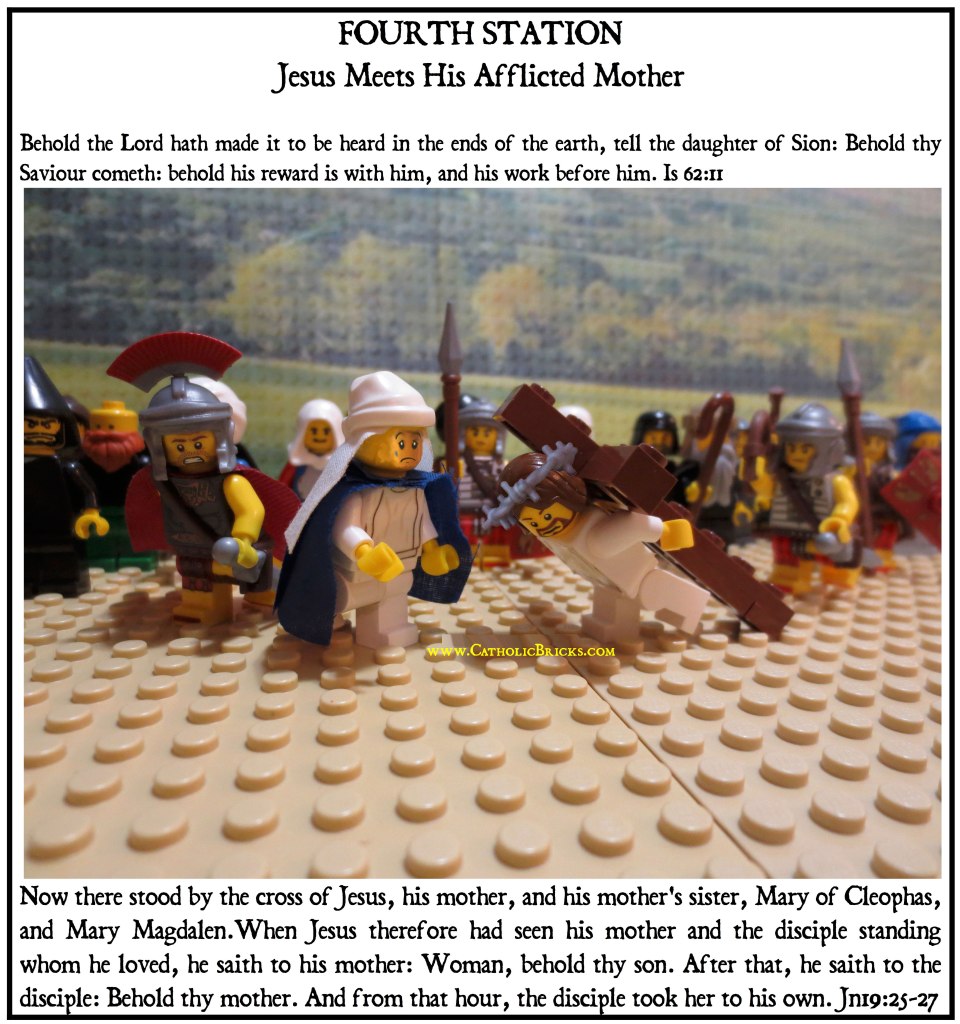
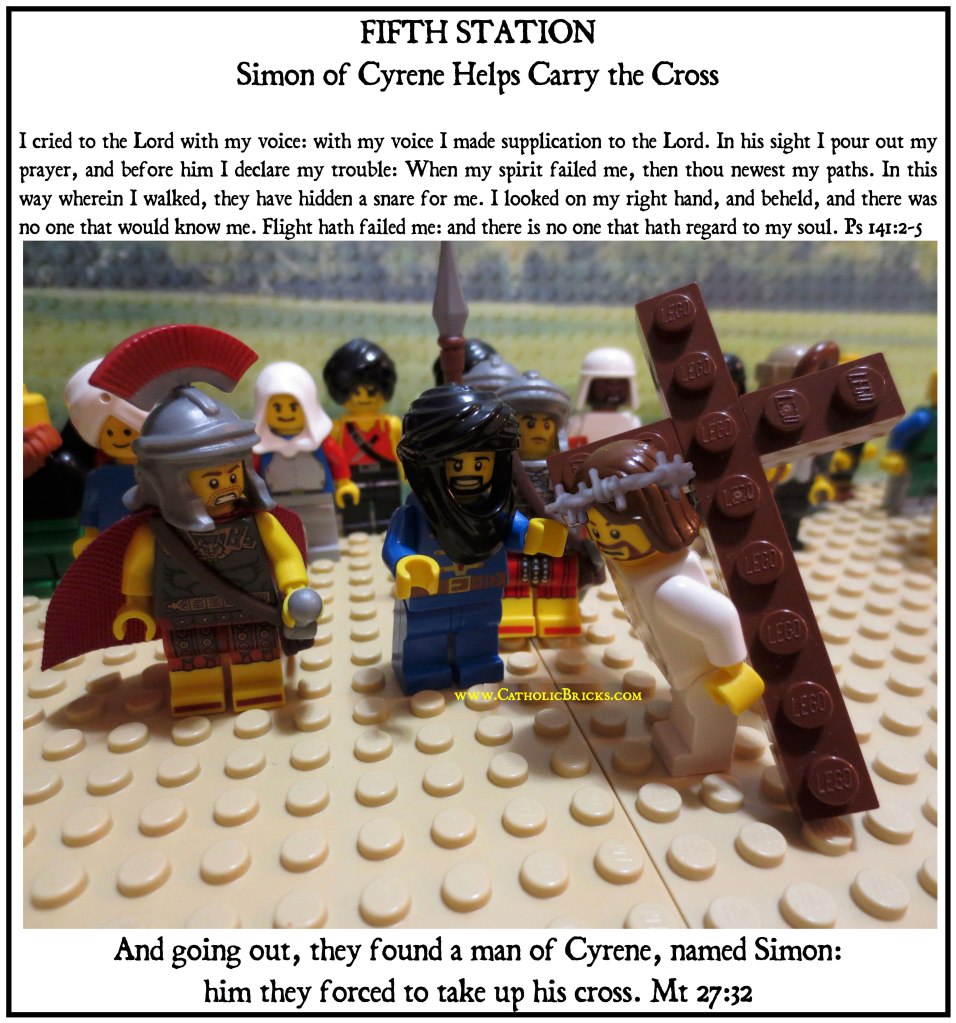
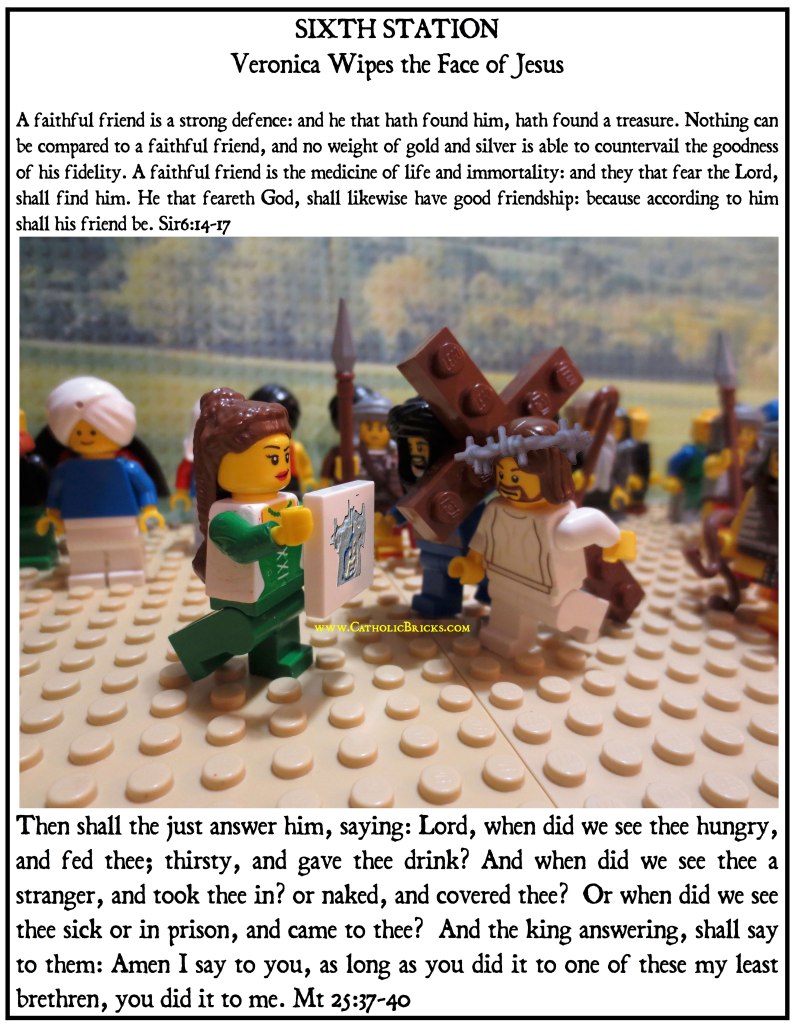
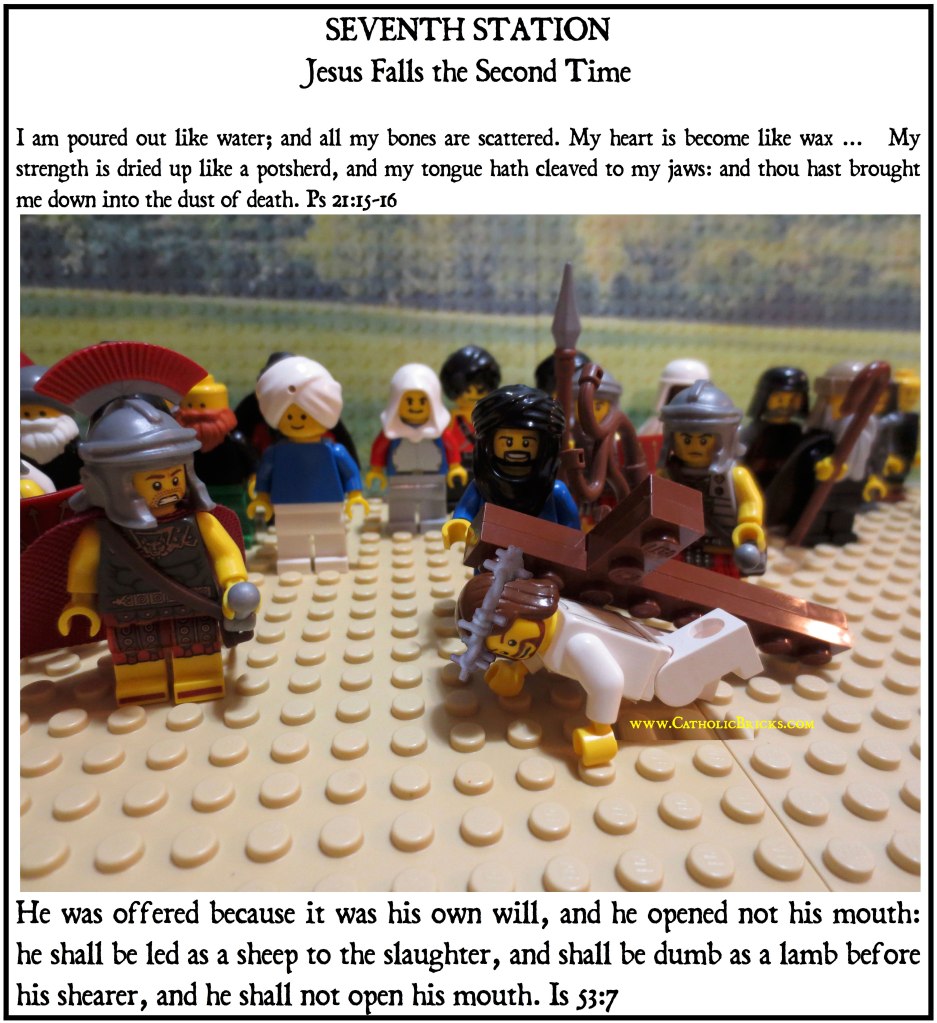
 Catholic Bricks