St. Anthony of Padua (June 13)

St. Anthony of Padua (1195-1231). Feast Day: June 13.

Born Fernando Martins de Bulhões in Lisbon, where he would enter an Augustinian order, St. Anthony would eventually leave them for the Franciscans shortly after becoming a priest. He modeled his spiritual life after St. Anthony of Egypt, and had hoped to die a martyr in North Africa. He was eventually sent to Morocco, but he was not killed, so he returned and remained in Italy, preaching and teaching.

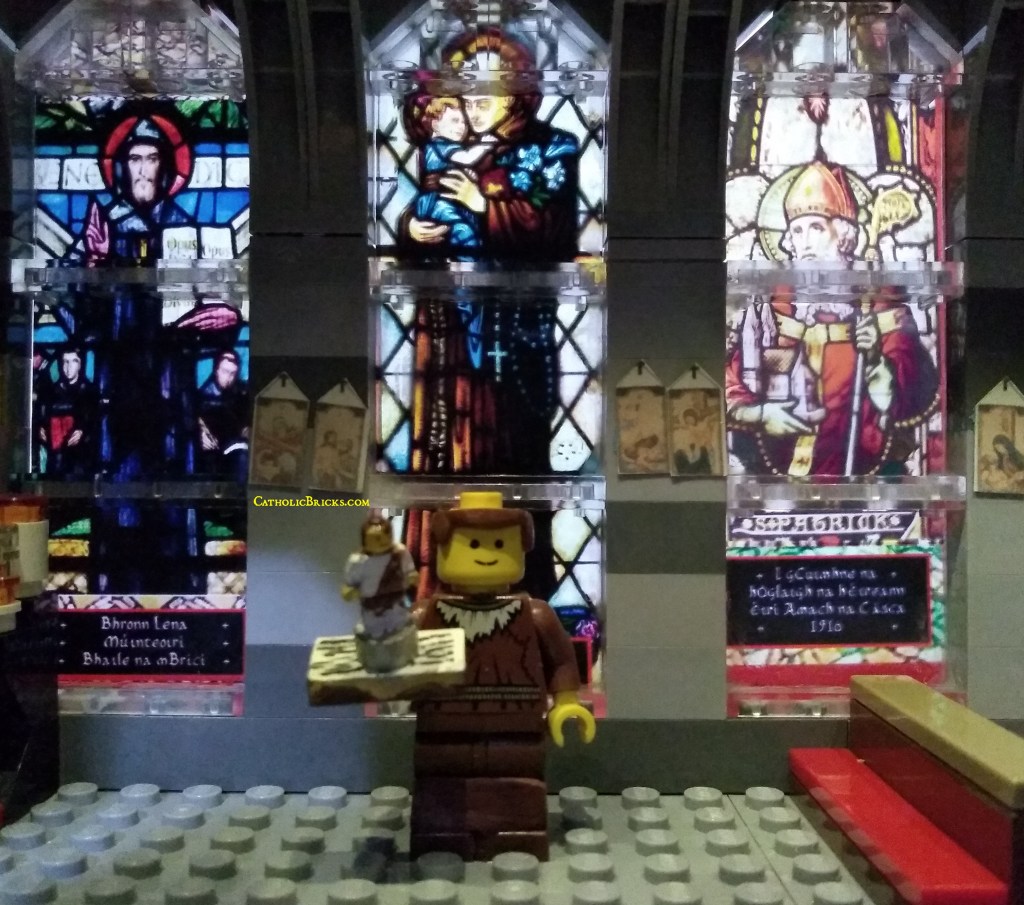
St. Anthony was renowned for his preaching skills. In early art, he was depicted with a Bible and a small figure of Jesus on the pages — legend has it that he was so good at understanding and explaining scripture because Jesus himself would appear in order to explain it to him during his study times.

Over time, the figure of Jesus was made larger and larger until it was about the size of a child, at which time the artists began to depict the Jesus figure as the child Jesus, standing or sitting on the book held by St. Anthony, while the Saint embraced him lovingly.

St. Anthony is a Doctor of the Church, an incorruptible saint (you can see his tongue on display to this day, and is the patron saint of those seeking to find lost articles.
St. Rita de Cascia (Feast: May 22)

St. Rita (1381-1457) was an Italian woman who was married at a young age to an immoral, brutal man. Through humility, patience, and love, she converted him, but he had already made many enemies. When they murdered him, she publicly forgave his murderers.

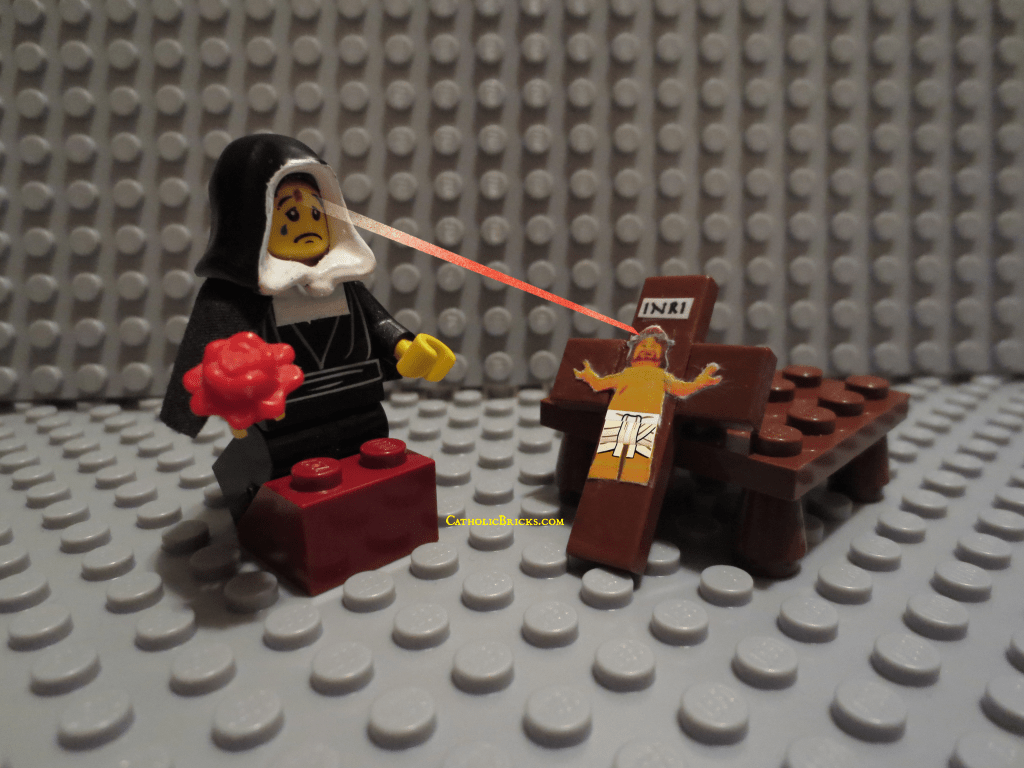
After the death of her husband and sons, she entered the convent. She had a great devotion to the Passion of Christ, meditating on it frequently. One day, she asked Jesus to let her participate in his suffering. At this, a thorn from His crown pierced her forehead, making a wound that would not heal for the last fifteen years of her life and which caused her great suffering.

On her deathbed, she asked a visitor to retrieve a rose bloom from the garden of her old home. The visitor despaired, as it was January, and roses weren’t in bloom. Still, he found a single, perfect blossom miraculously blooming in the garden, and he brought it to her. St. Rita is one of the incorruptible saints, and her body is on display. St. Rita is considered one of the saints to petition for impossible cases.

St. Patrick’s Day

St Patrick (387-461)

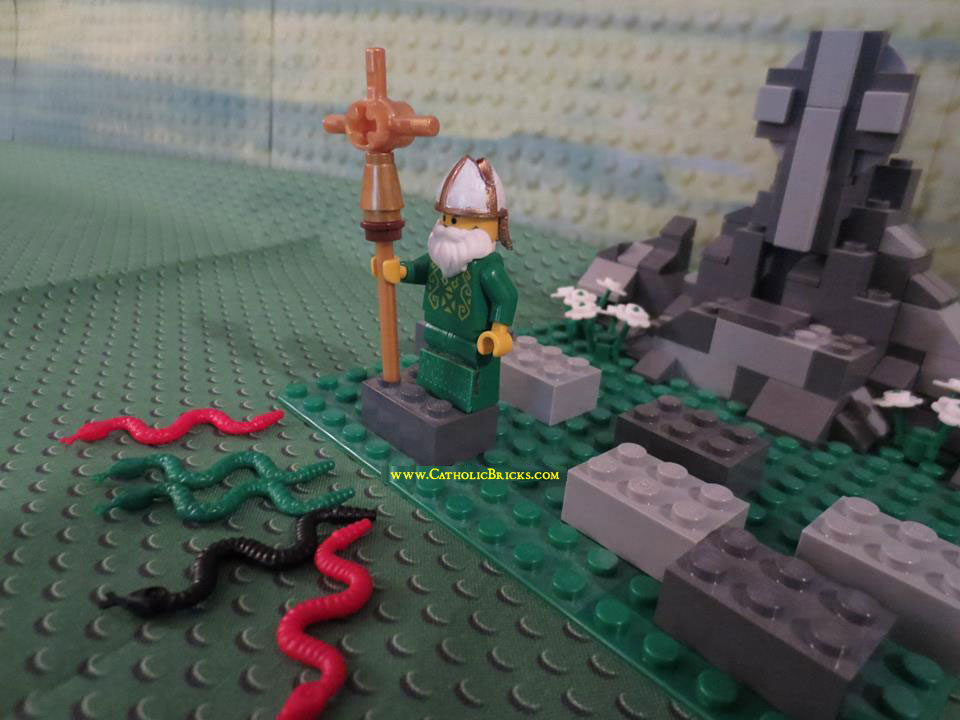
The patron saint of Ireland, Patrick was a Christian Romanized Briton who was captured by Irish pagan slavers in his youth. He spent six years in slavery before escaping with the assistance of an angel, who one night told him to get up and walk to the seashore. He was able to do so unmolested, and there he found a ship whose crew agreed to allow him to travel with them.

Some time afterward, he received a dream in which the people of Ireland were begging him to come back to them as a missionary, which he did, later becoming a bishop.

Perhaps one of the most famous saints, Patrick has many stories and legends attached to him, including using the shamrock to teach about the Trinity, chasing the snakes out of Ireland, and a vision of Hell.

Learn more about St. Patrick

Lúireach Phádraig (St. Patrick’s Breastplate, sung in Irish Gaelic)

Our Lady of Lourdes (Feb 11)

A series of Marian apparitions to a peasant girl (now saint) named Bernadette Soubirous on this day in 1858. The site of these apparitions has now seen 67 miraculous healings confirmed by the secular board of medical doctors tasked with finding any medical explanation for claims made.

It also led to the Pope defining the Immaculate Conception as dogma (but not creating it, indeed there is written documentation for the Christian belief in the Immaculate Conception going all the way back to St. Ambrose in AD 340 and possibly before, and, of course, loads of implications of it in scripture itself).

Learn more about the apparitions and history.

Learn more about the Immaculate Conception.

Watch the classic 1943 film, “The Song Of Bernadette.”

St. Jude (28 Oct)

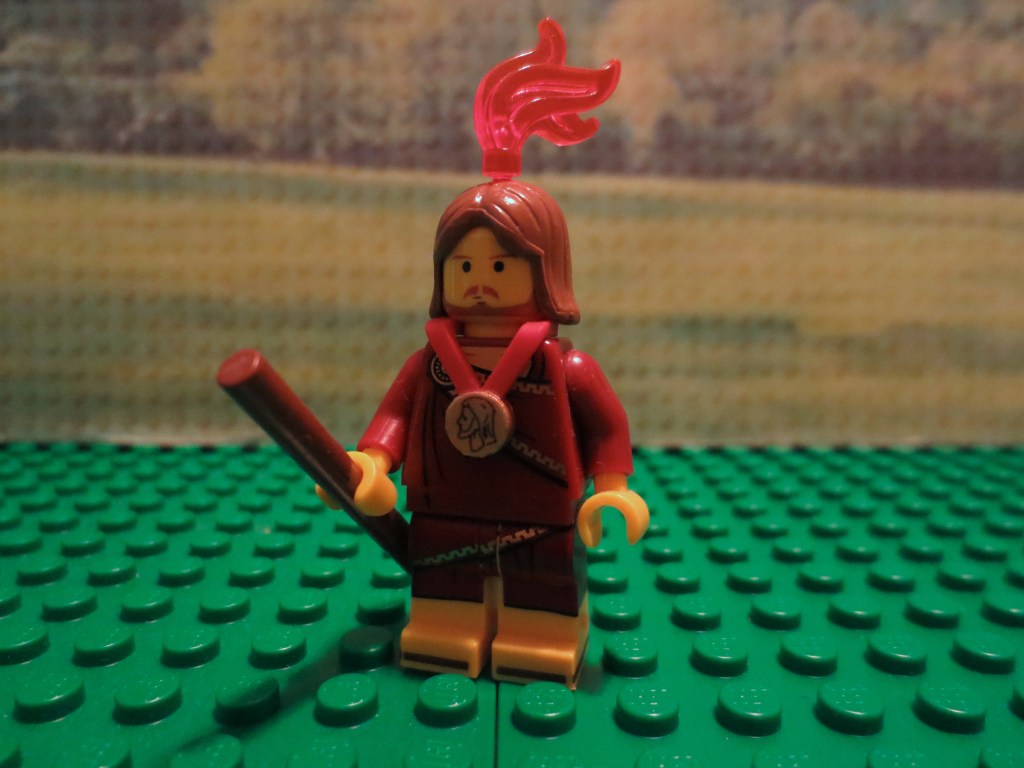
St. Jude, also known as Judas Thaddeus, was one of the Twelve Apostles. St. Jude is frequently depicted with a flame above his head, as he was present at Pentecost. He is also depicted with a club or rod (a symbol of his martyrdom) and a medallion-like image of Jesus.


Legend has it that in the early days of Christianity, few people would pray for St. Jude’s intercession, for fear that they might be thought to be praying to Judas Iscariot, the betrayer of Jesus. For this reason, St. Jude became a popular saint to beseech for intercession for hopeless and impossible cases (as it was assumed he was not already being asked for intercessory prayer by many of the faithful). Naturally, this has made St. Jude one of the most popular saints and, it is to be assumed, one of heaven’s busiest intercessors.

St. Therese Lisieux

St. Thérèse of Lisieux (1873-1897), also known as St. Thérèse of the Child Jesus, and “The Little Flower.” She wanted to join the convent at a very young age and was rejected. She appealed to the bishop, but he did not agree to her request. Finally, she went to Rome and asked the pope personally. After that, she was allowed to enter.

She experienced much suffering and illness while she was there. She began to practice her “Little Way” (doing small things with great love), and sought to show kindness even (and especially) to the sisters who were mean to her.

As she was going to die, her superior requested that she write down her Little Way and her life, which she did. While her diary was initially used as inspiration and meditation within the order, it was eventually published outside, and this is how she came to be known.

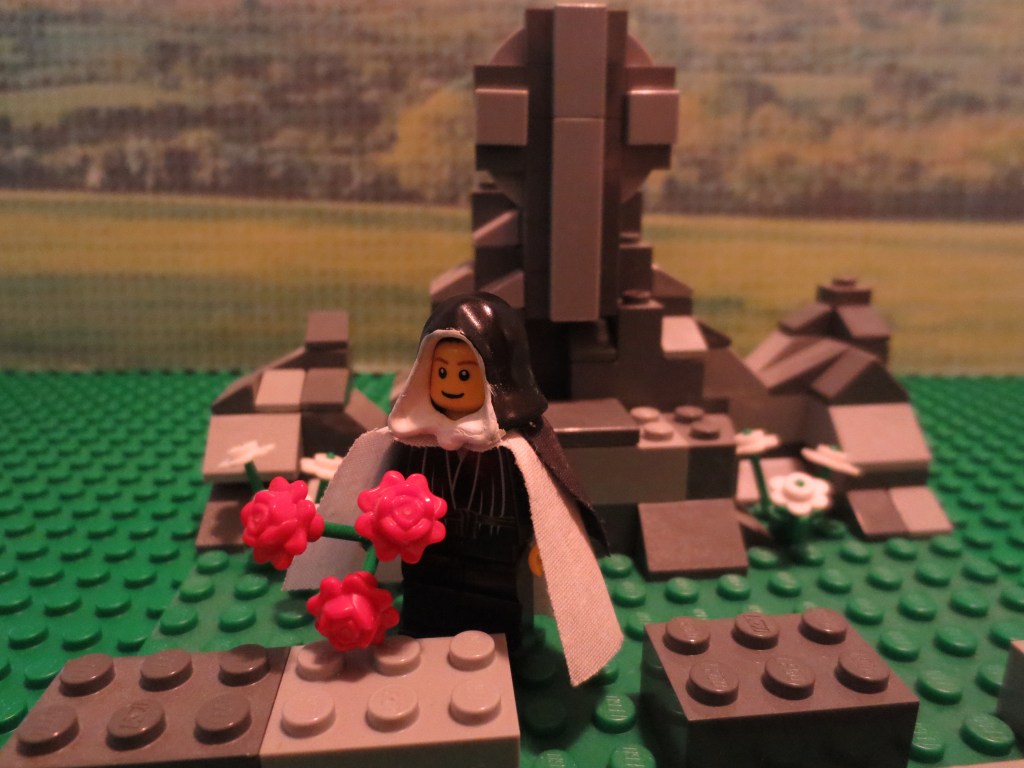
Shortly before she died, she said,”My mission, to make God loved, will begin after my death. I will spend my heaven doing good on earth. I will let fall a shower of roses.” For this reason, she is often considered one of the saints whose intercession is sought for desperate or hopeless cases.