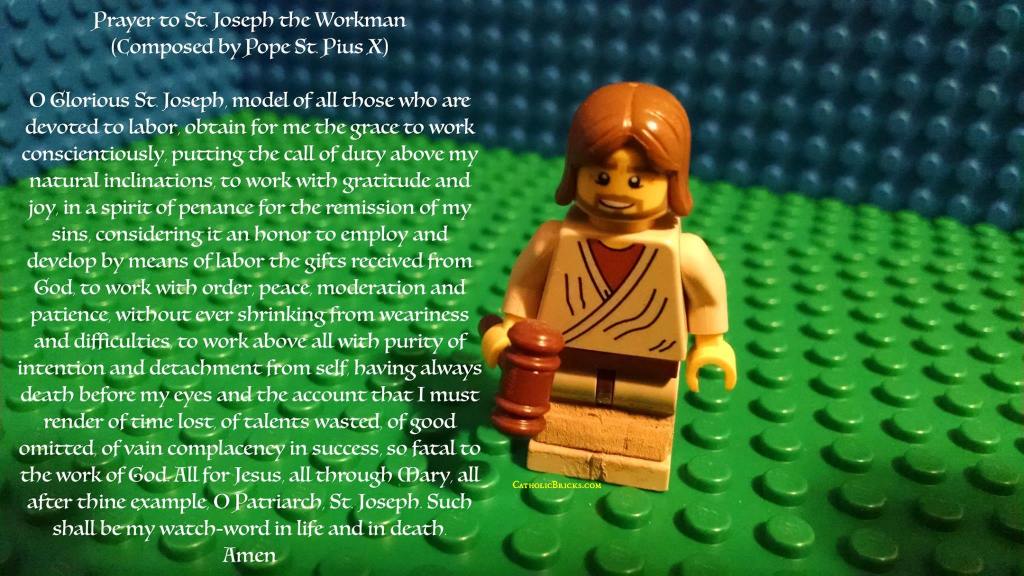
St. Joseph the Worker
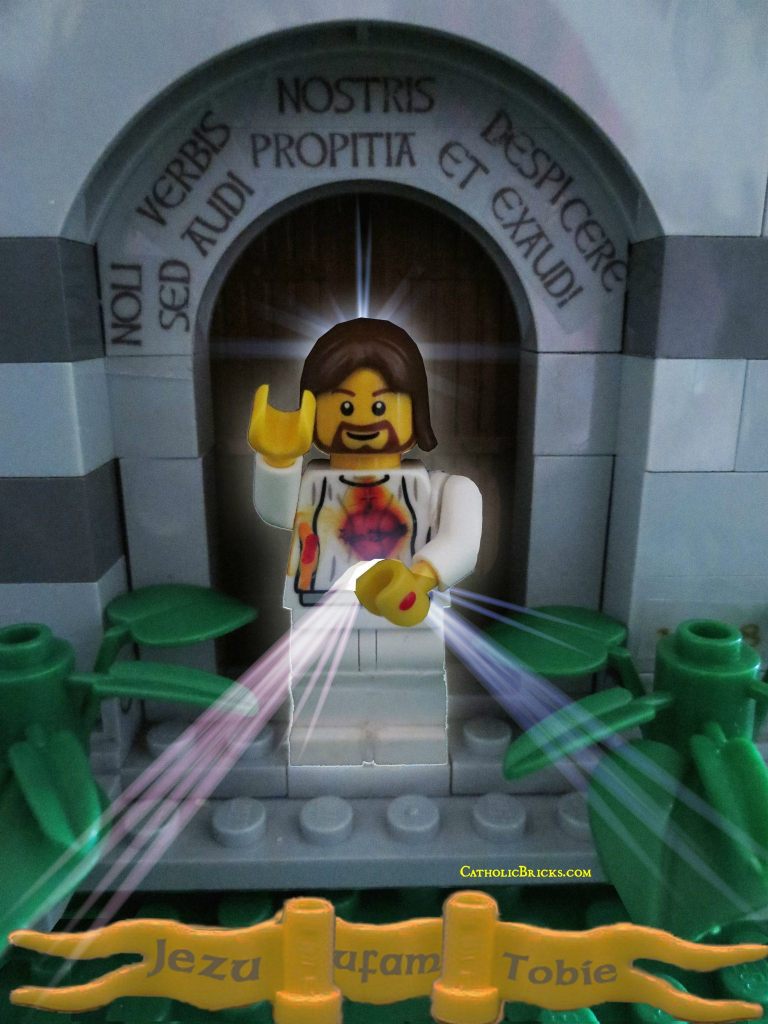
History of the Divine Mercy image and devotion
How to pray the Divine Mercy Chaplet:
Step 1 – Using a regular set of Rosary beads, you begin at the cross by doing the sign of the cross.
(Optional Opening Prayer)
You expired, Jesus, but the source of life gushed forth for souls, and the ocean of mercy opened up for the whole world. O Fount of Life, unfathomable Divine Mercy, envelop the whole world and empty Yourself out upon us.
(Repeat three times)
O Blood and Water, which gushed forth from the Heart of Jesus as a fountain of Mercy for us, I trust in You!
Step 2 – On the three beads of the rosary pray the Our Father, the Hail Mary and the Apostles Creed.
Step 3 – You begin each decade with the Our Father beads by praying this prayer:
Eternal Father, I offer You the Body and Blood, Soul and Divinity of Your dearly beloved Son, Our Lord Jesus Christ, in atonement for our sins and those of the whole world.
Step 4 – Complete the decade on the 10 Hail Mary beads by praying this prayer:
For the sake of His sorrowful Passion, have mercy on us and on the whole world.
Repeat Steps 3 and 4 for each decade on the rosary beads
Step 5 – Once you have prayed all 5 decades, you finish the Chaplet by praying the following prayer 3 times:
Holy God, Holy Mighty One, Holy Immortal One, have mercy on us and on the whole world.
(Optional Closing Prayer)
Eternal God, in whom mercy is endless and the treasury of compassion inexhaustible, look kindly upon us, and increase Your mercy in us, that in difficult moments, we might not despair nor become despondent, but with great confidence, submit ourselves to Your holy will, which is Love and Mercy itself. Amen.
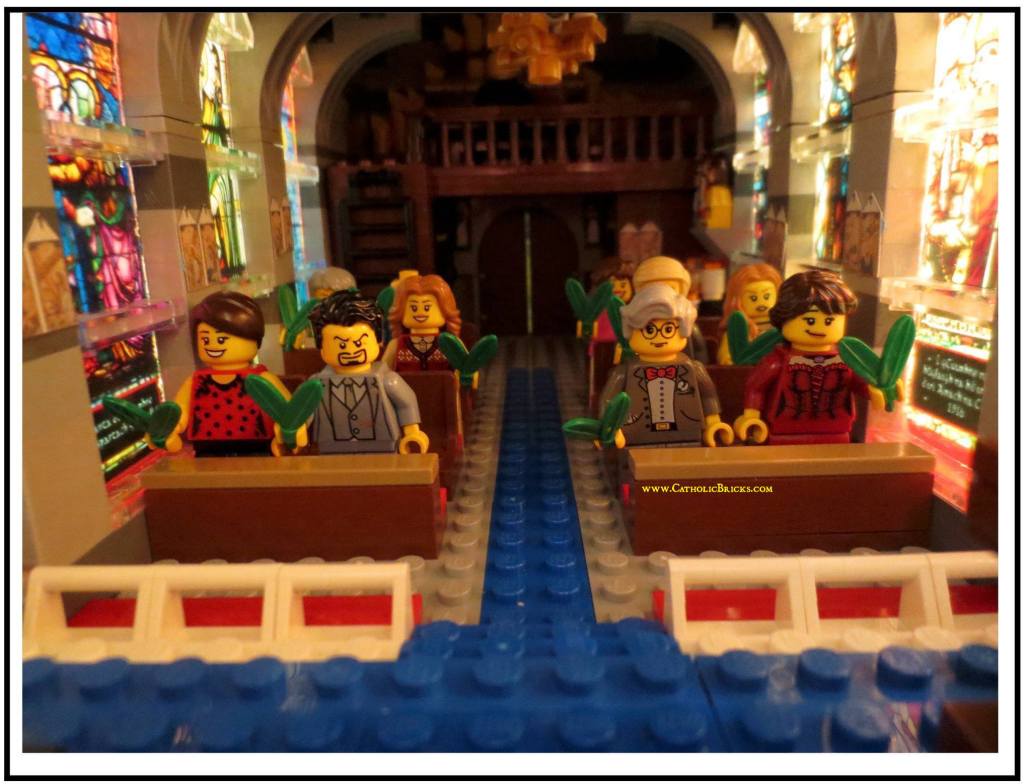
On Palm Sunday, the Sunday before Easter, we take home blessed palm fronds in commemoration of Jesus’s triumphal entry into Jerusalem.
“And on the next day, a great multitude that was to come to the festival day, when they had heard that Jesus was coming to Jerusalem, Took branches of palm trees, and went forth to meet him, and cried: Hosanna, blessed is he that cometh in the name of the Lord, the king of Israel.” John 12:12-13
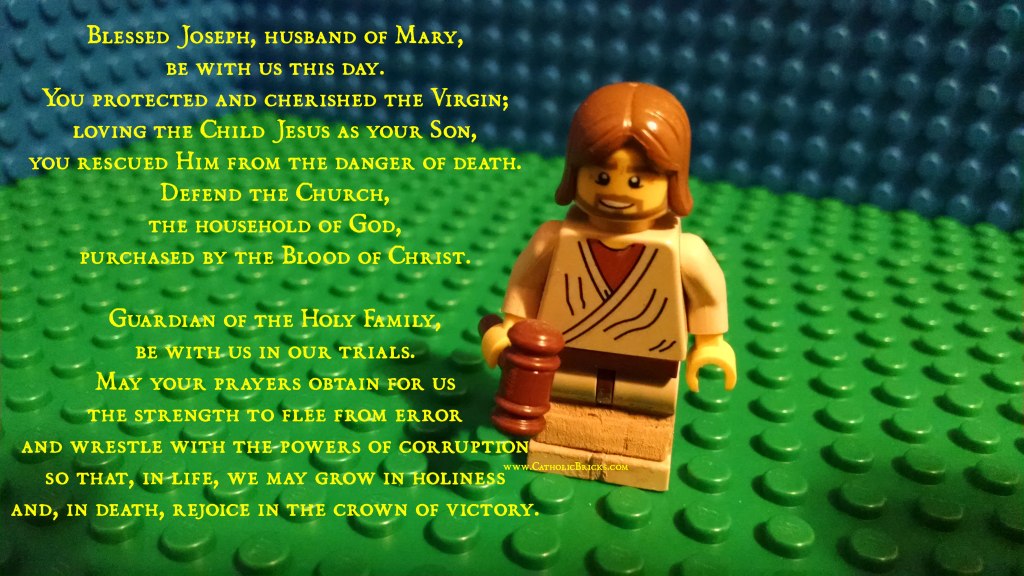
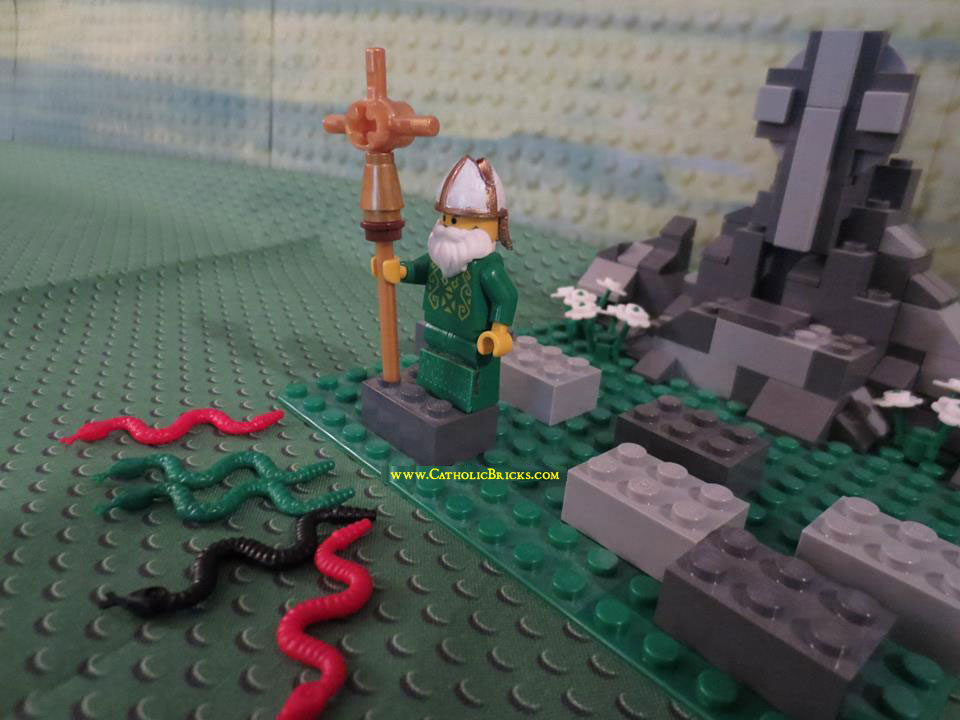
St Patrick (387-461)
The patron saint of Ireland, Patrick was a Christian Romanized Briton who was captured by Irish pagan slavers in his youth. He spent six years in slavery before escaping with the assistance of an angel, who one night told him to get up and walk to the seashore. He was able to do so unmolested, and there he found a ship whose crew agreed to allow him to travel with them.
Some time afterward, he received a dream in which the people of Ireland were begging him to come back to them as a missionary, which he did, later becoming a bishop.
Perhaps one of the most famous saints, Patrick has many stories and legends attached to him, including using the shamrock to teach about the Trinity, chasing the snakes out of Ireland, and a vision of Hell.
Lúireach Phádraig (St. Patrick’s Breastplate, sung in Irish Gaelic)

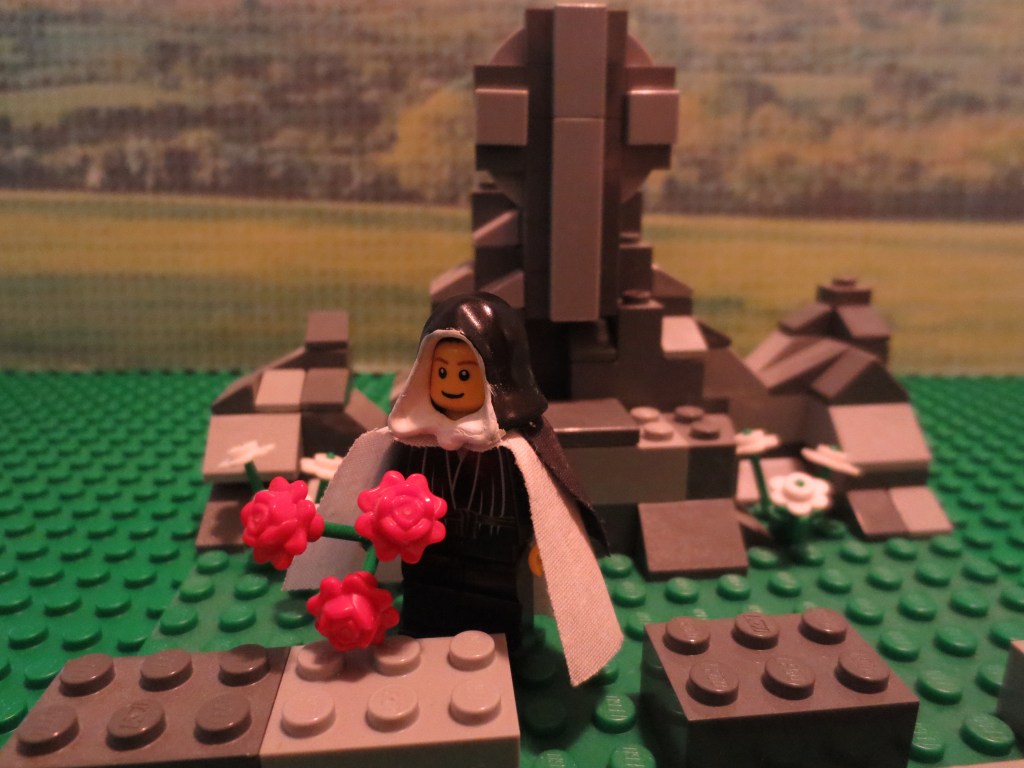
A series of Marian apparitions to a peasant girl (now saint) named Bernadette Soubirous on this day in 1858. The site of these apparitions has now seen 67 miraculous healings confirmed by the secular board of medical doctors tasked with finding any medical explanation for claims made.
It also led to the Pope defining the Immaculate Conception as dogma (but not creating it, indeed there is written documentation for the Christian belief in the Immaculate Conception going all the way back to St. Ambrose in AD 340 and possibly before, and, of course, loads of implications of it in scripture itself).
Learn more about the apparitions and history.
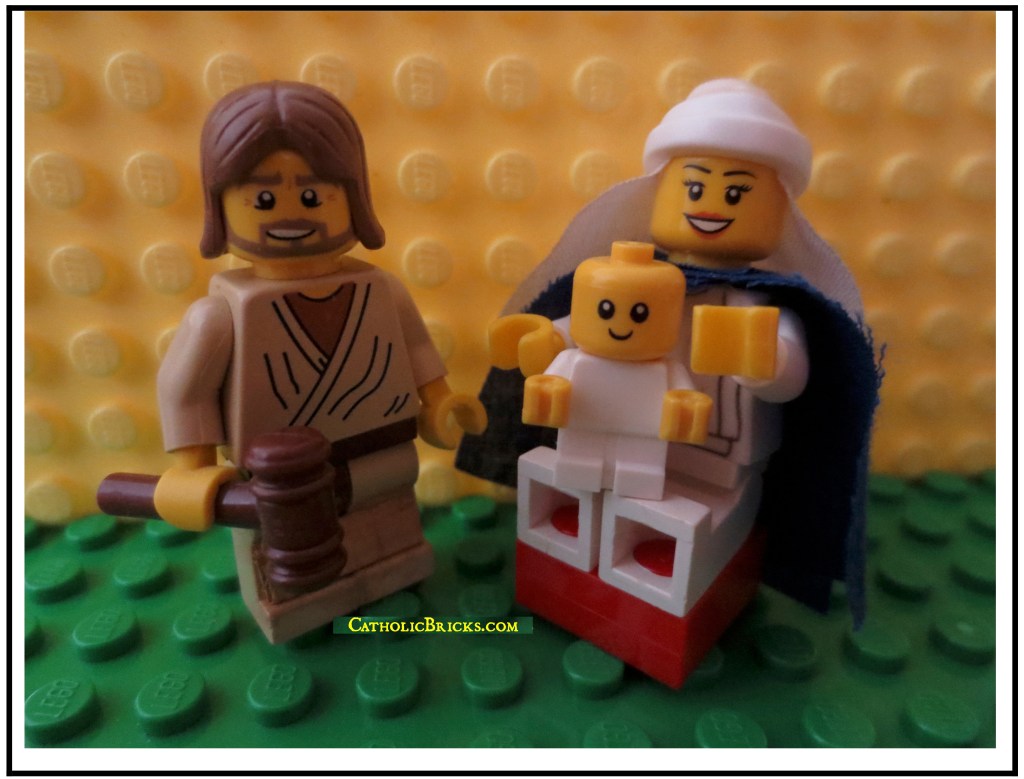
January 10 is the Feast of the Holy Family according to the old liturgical calendar. The Holy Family provides a model for all Christian families.
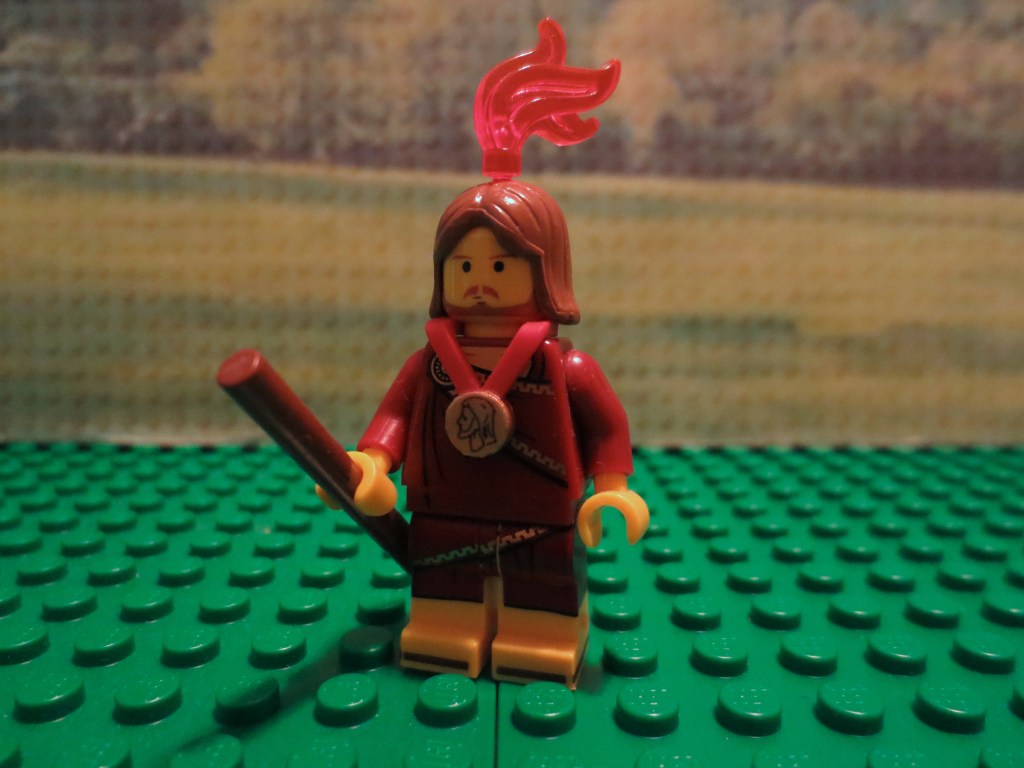
St. Jude, also known as Judas Thaddeus, was one of the Twelve Apostles. St. Jude is frequently depicted with a flame above his head, as he was present at Pentecost. He is also depicted with a club or rod (a symbol of his martyrdom) and a medallion-like image of Jesus.
Legend has it that in the early days of Christianity, few people would pray for St. Jude’s intercession, for fear that they might be thought to be praying to Judas Iscariot, the betrayer of Jesus. For this reason, St. Jude became a popular saint to beseech for intercession for hopeless and impossible cases (as it was assumed he was not already being asked for intercessory prayer by many of the faithful). Naturally, this has made St. Jude one of the most popular saints and, it is to be assumed, one of heaven’s busiest intercessors.
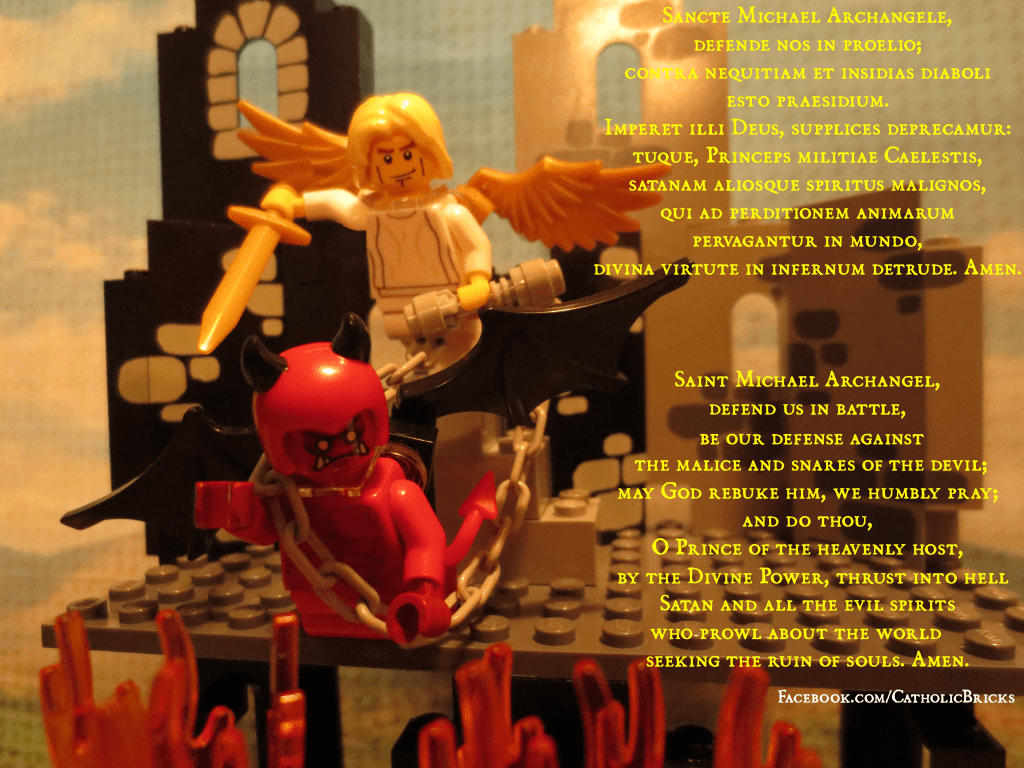
 Catholic Bricks