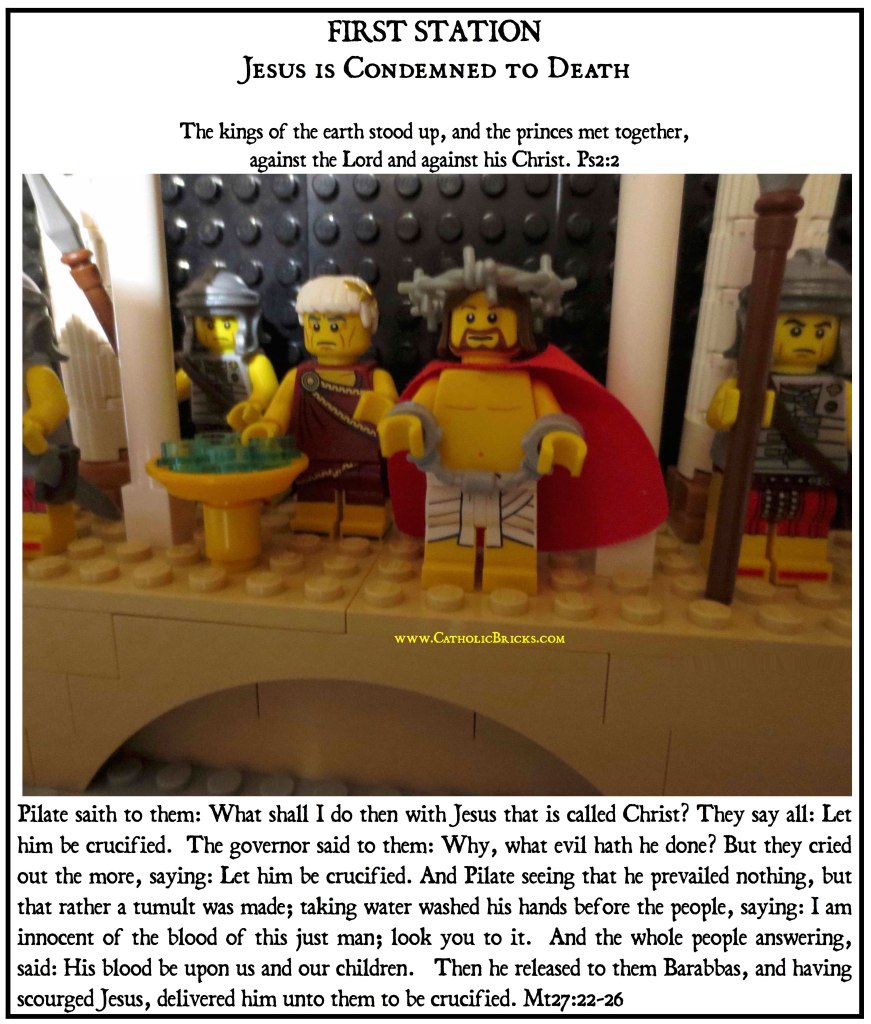
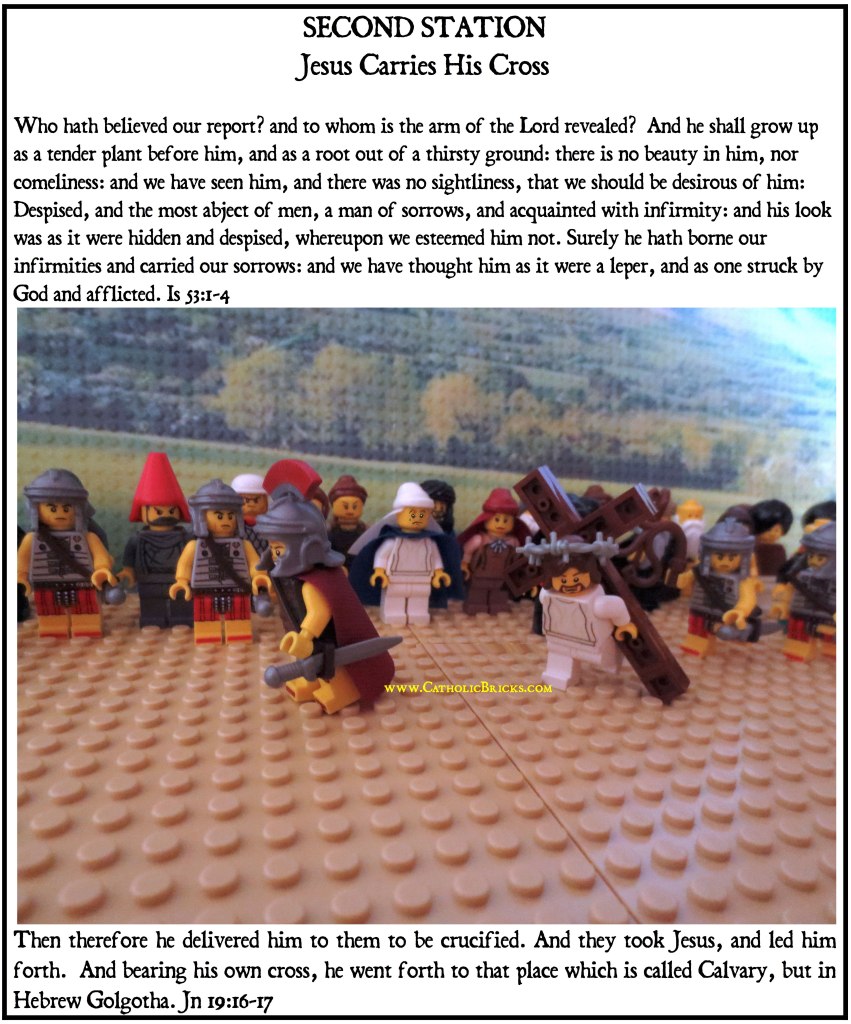
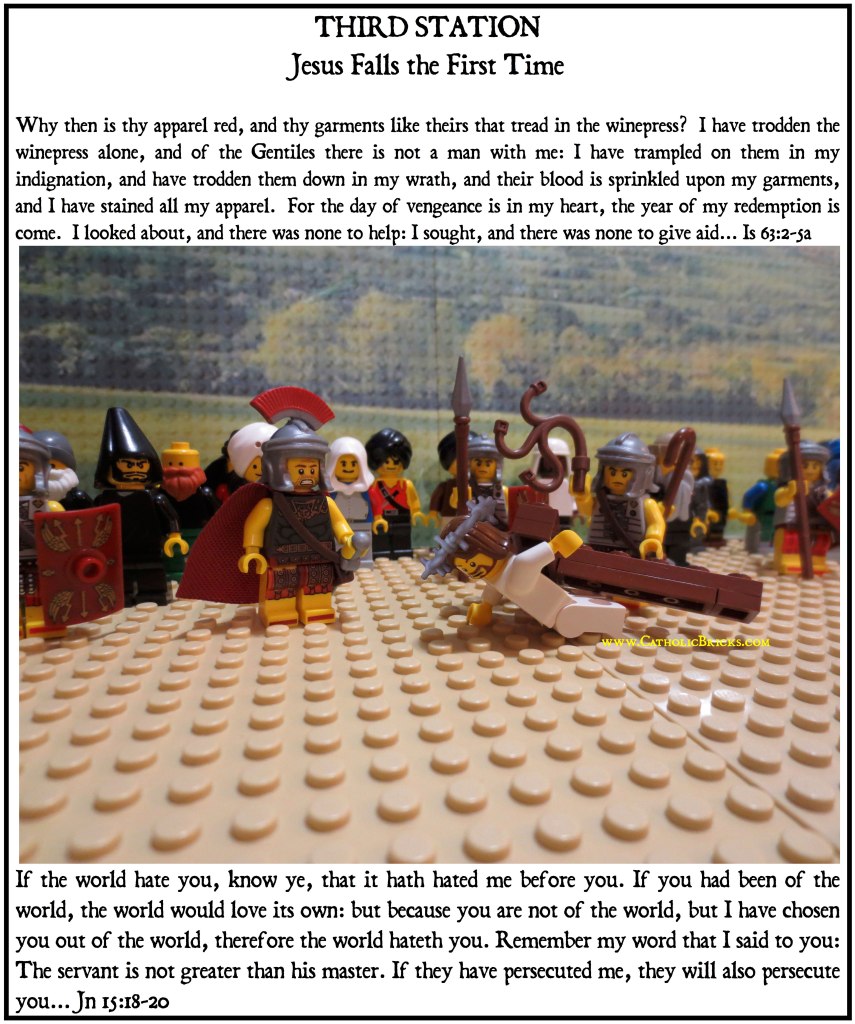
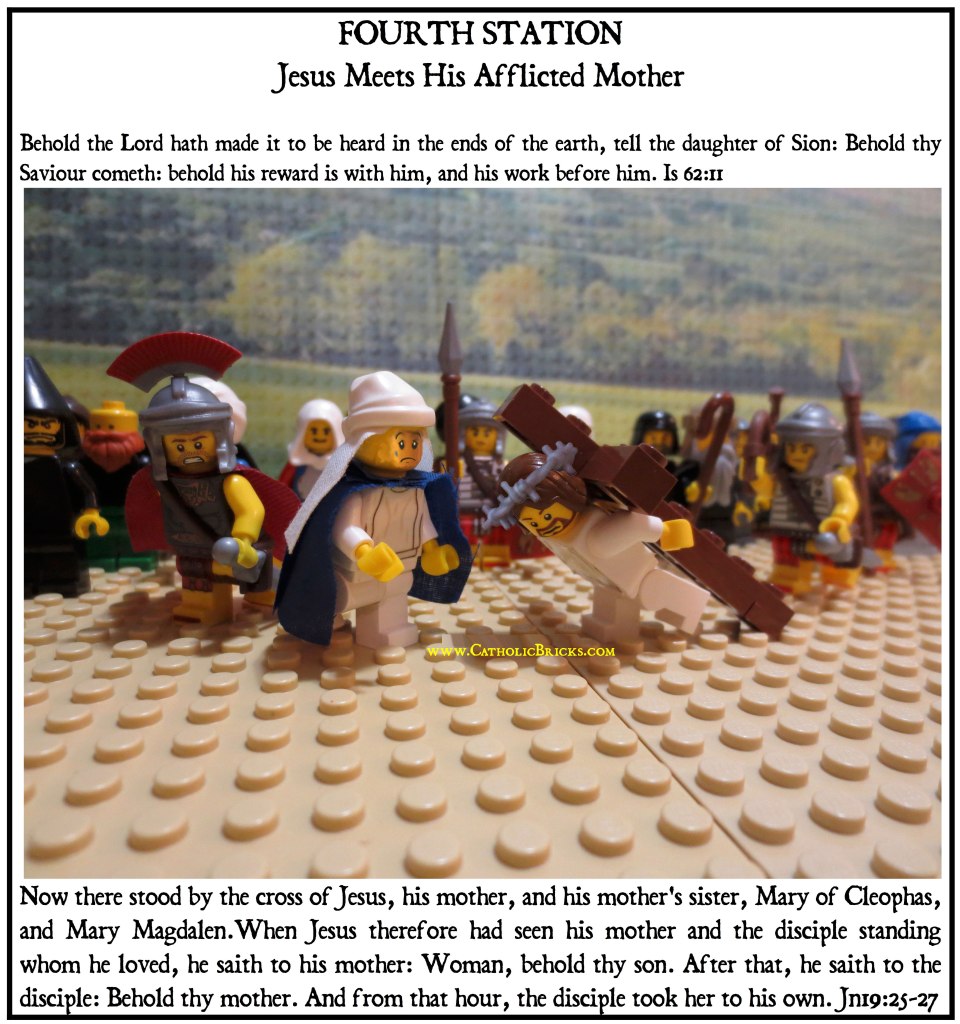
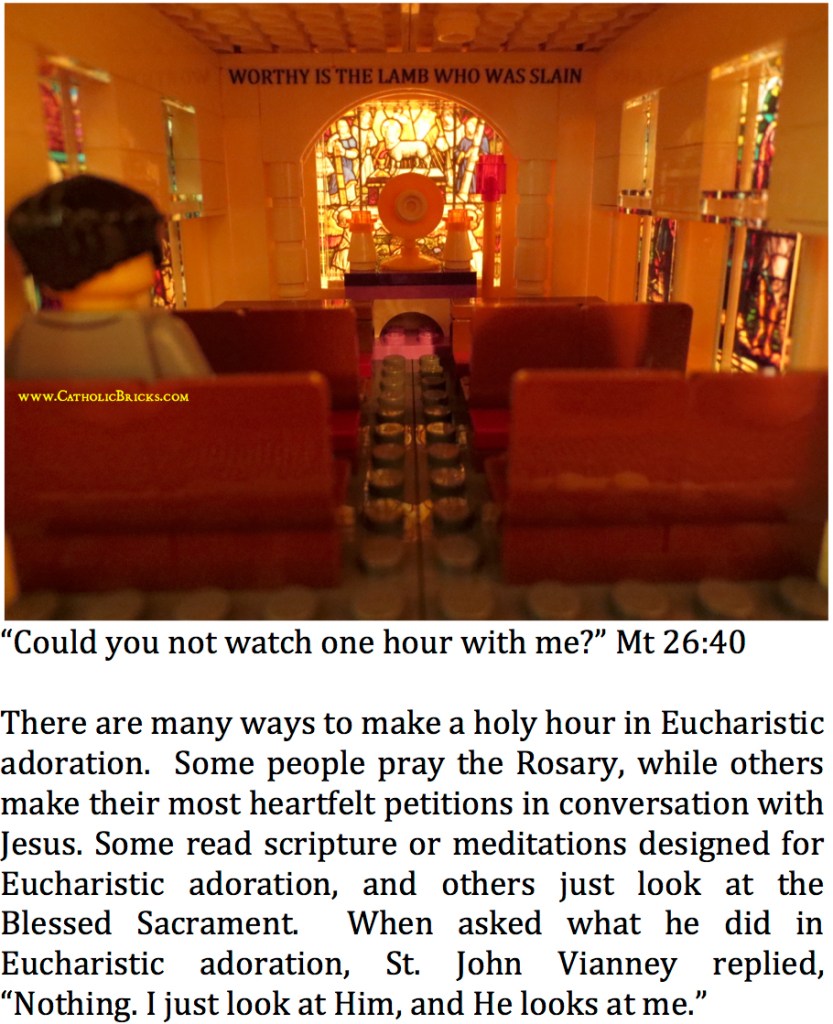
Making a holy hour in Eucharistic adoration “Could you not watch one hour with me?” Mt 26:40 There are many ways to make a holy hour in Eucharistic adoration. Some people pray the Rosary, while others make their most heartfelt petitions in conversation with Jesus. Some read scripture or meditations designed for Eucharistic adoration, and others just look at the Blessed Sacrament. When asked what he did in Eucharistic adoration, St. John Vianney replied, “Nothing. I just look at Him, and He looks at me.”
Here are some suggestions if you want to make a holy hour.

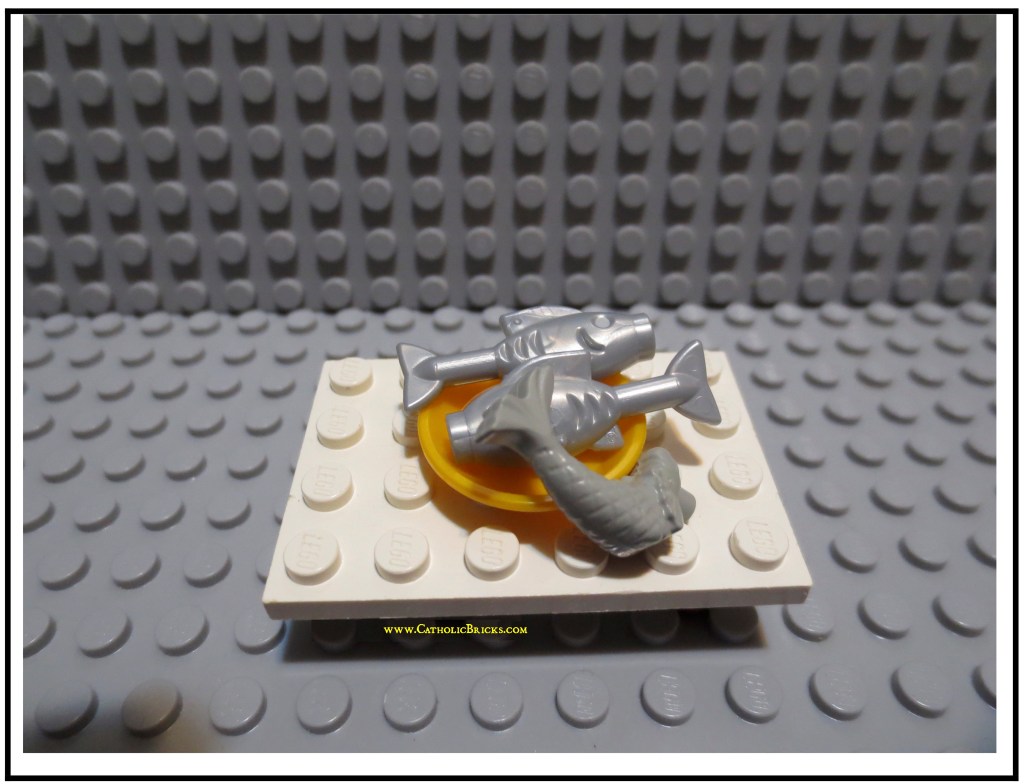
While all of Lent is devoted to repentance, penance, and meditations on Jesus’s death, the Fridays in Lent especially are occasions for bringing to mind the sacrifice of Good Friday. Consequently, fasting is appropriate…but why fish?
It may seem odd to our modern sensibilities, which classify fish as animals, to eat fish on “meatless” days. To understand the reason behind this ancient Christian tradition requires recognizing that the practice long predates the English language, and that “carnis,” usually translated as “meat,” applied only to the flesh of land animals and birds.
Meat, in ancient times, was a luxury, while fish was food for the poor and common people. One might feast by killing the fatted calf, but one wouldn’t feast with fish. Consequently, fish became associated with the penitential meals on the somber days of Lent.
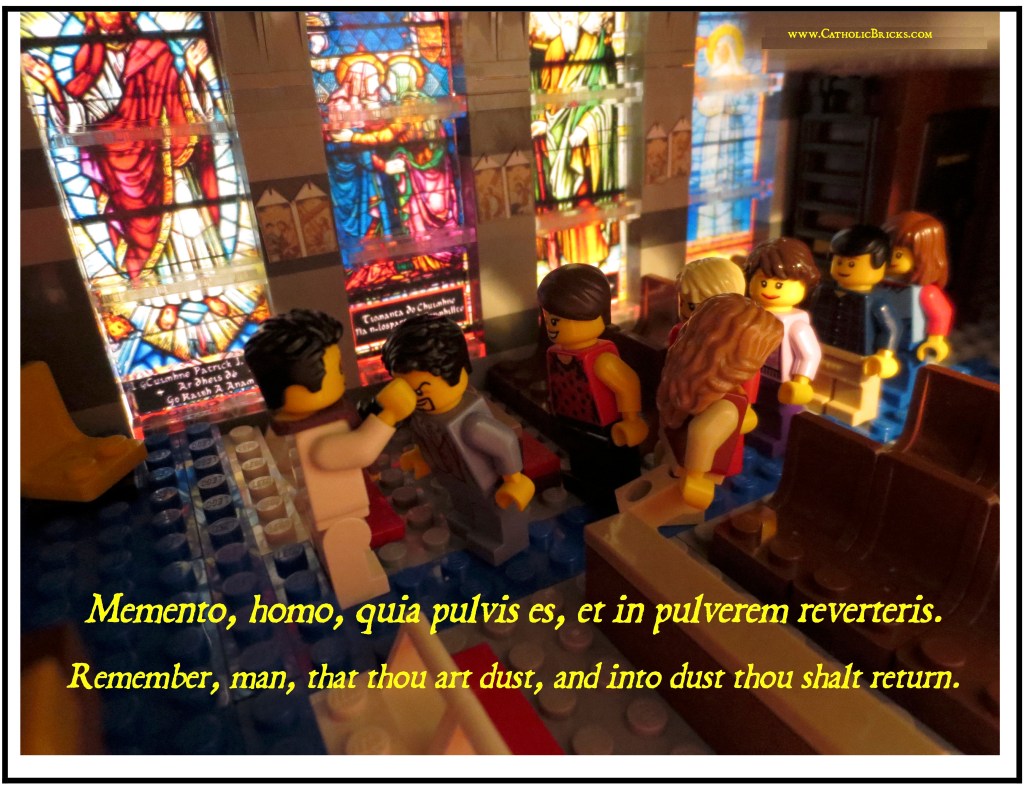
Memento, homo, quia pulvis es, et in pulverem reverteris.(Remember, man, that thou art dust, and into dust thou shalt return.)
Ash Wednesday is an ancient Christian practice of marking the first day of Lent by marking one’s forehead with ashes. These ashes, made from the palms of last year’s Palm Sunday, serves a multi-fold purpose:
1 – it echoes the ancient Jewish tradition of putting ashes or dust on one’s head and wearing sackcloth to express grief or penitence
2 – it serves as a reminder to the wearer of his own sinfulness and need for a Savior
3 – it is an outward expression of one’s sorrow for one’s sins and desire to repent
4 – it reminds us of our own mortality and, by doing so, the passing and inconsequential nature of the things of this world and the permanence and value of the things of the next
Learn more about Ash Wednesday
Music: Emendemus in melius
 Catholic Bricks